Bulky waste removals in Downe: quick, legal options
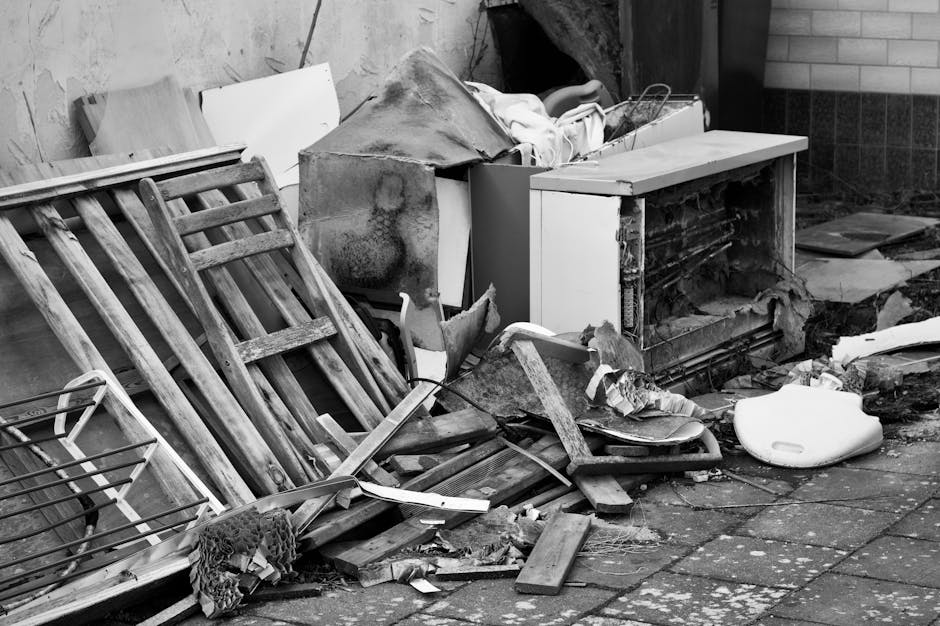
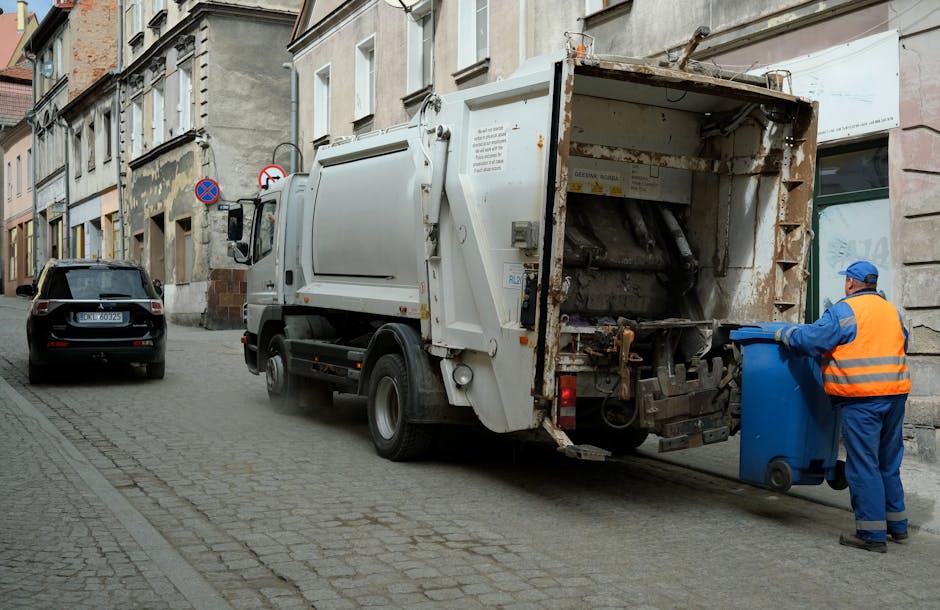
If you've got an old sofa leaning in the hallway, a broken wardrobe in the spare room, or a mattress you've been avoiding for weeks, you're not alone. Bulky waste has a habit of lingering far longer than it should. The good news is that bulky waste removals in Downe: quick, legal options are straightforward once you know what counts as bulky waste, what your lawful choices are, and how to avoid the usual headaches. This guide walks through the practical side of it all: speed, compliance, recycling, safety, and the simplest way to get the job done without turning your driveway into a mini skip site.
In practice, most people just want three things: the items gone quickly, the disposal done properly, and no nasty surprises. Fair enough. Whether you are clearing a house, dealing with a last-minute tenant handover, or just reclaiming a room that has quietly become a storage unit, this article will help you choose the right route. And yes, there is a legal side to it, but it is manageable when you understand the basics.
Why Bulky waste removals in Downe: quick, legal options Matter
Bulky waste is not just a visual nuisance. It can block access, create trip hazards, attract damp or pests, and make a home or property feel unfinished. In a place like Downe, where many people are juggling tight schedules, school runs, moving deadlines, and narrow practical windows for collections, a reliable plan matters more than ever.
There is also the legal angle. In the UK, waste has to be handled responsibly. If you hand items to someone who dumps them illegally, the responsibility can come back to you. That is the bit many people miss. A cheap collection can become an expensive mess if the waste ends up fly-tipped. So, if you are comparing options, you are not only comparing speed or price. You are comparing peace of mind.
For households, landlords, letting agents, and small businesses, bulky waste removal is often the missing piece in a wider move or clear-out. A day spent sorting large items can save a week of cluttered stress. There is something quietly satisfying about seeing a clear room again too. You know the feeling.
Related planning guides can help if your bulky waste clear-out sits alongside a wider move. For example, decluttering before relocating often makes the disposal decision much easier, and packing tips for a smooth transition can keep the rest of the property under control while large items are removed.
How Bulky waste removals in Downe: quick, legal options Works
Most bulky waste removals follow a simple pattern: identify the items, decide which disposal route fits best, book the collection or vehicle, and make sure the items are transferred to a lawful destination. The detail matters, though. Different items behave differently. A sofa is not the same as a fridge. A mattress is not the same as old office furniture. Some need special handling, some can be reused, and some are better broken down before removal.
Here is the typical workflow:
- List the items - note size, weight, condition, and whether they can be dismantled.
- Check access - stairs, narrow doors, parking, and any restrictions near the property.
- Choose the disposal route - reuse, recycling, dedicated collection, or a removal service.
- Book the timing - same-day, next-day, or pre-arranged collection depending on urgency.
- Prepare items - separate hazardous bits, remove loose contents, and make items safe to carry.
- Confirm where the waste goes - lawful disposal, reuse, or recycling, with appropriate paperwork if needed.
That last step is the one people forget. If you are using a third party, ask what happens to the waste after collection. A reputable provider should be able to explain the process clearly, without getting twitchy. If they cannot, that is a red flag, plain and simple.
When bulky items are part of a wider property clearance, it can help to combine the job with the right transport. Pages such as removal services in Downe, man with a van in Downe, and same-day removals in Downe are often relevant when speed is important or there are multiple items to shift.
Key Benefits and Practical Advantages
The best bulky waste solution is rarely just about getting rid of something. It is about solving the wider problem efficiently.
- Speed - quick collection can free up rooms, garages, hallways, or garden spaces the same day.
- Legality - using a compliant disposal route protects you from fly-tipping problems.
- Safety - trained handling reduces injury risk, especially with awkward or heavy items.
- Less stress - once the large items are gone, the rest of the clearing task feels manageable again.
- Better recycling outcomes - useful materials can be separated rather than dumped wholesale.
- Cleaner handovers - ideal before a tenancy change, sale, probate clearance, or renovation.
There is also a practical benefit people overlook: momentum. Once the biggest item is removed, the room changes immediately. You tend to deal with the rest of the clutter faster because the job no longer feels impossible. That sounds small, but it really matters.
Expert summary: If the bulky item is large, awkward, valuable, or time-sensitive, the best outcome is usually not the cheapest option on paper. It is the option that handles access, lifting, transport, and lawful disposal in one go.
For awkward furniture or specialist items, a dedicated approach can be the most sensible route. If your clear-out includes cabinets, tables, beds, or other household pieces, furniture removals in Downe can be a better fit than treating everything as generic rubbish. And if you are also planning a wider house move, house removals in Downe may help combine the jobs efficiently.
Who This Is For and When It Makes Sense
Bulky waste removal is useful for more people than you might think. It is not just for end-of-tenancy panic jobs or full house clearances.
- Homeowners clearing broken furniture, old mattresses, or unused appliances.
- Tenants who need to leave a property tidy and avoid last-minute stress.
- Landlords and agents dealing with abandoned items after a move-out.
- Students leaving shared accommodation with items that cannot just be stuffed into a car boot. If that sounds familiar, student removals in Downe may be useful alongside a clear-out.
- Small offices replacing desks, chairs, filing units, or reception furniture.
- Families handling garage clearances, bereavement clearances, or pre-renovation prep.
It makes sense when items are too large for normal household bins, too awkward for a standard car, or too time-consuming to dismantle and dispose of yourself. It also makes sense when access is tight and the job would be a pain to do alone. Lets face it, a wardrobe does not care that it is raining or that your back is already complaining.
If you are unsure whether to remove, store, or wait, it can help to compare your options carefully. A short-term solution might be better if you are not ready to say goodbye to an item. In that case, storage in Downe can be part of the answer, especially for furniture that still has use but no current place in the home.
Step-by-Step Guidance
Here is a practical, no-drama way to handle bulky waste removal properly.
1. Separate what is waste from what can be reused
Start by looking at each item honestly. Could it be reused by someone else? Could it be donated? Is it structurally sound? If an item still has life left in it, reuse or resale may be a better first stop than disposal. If it is stained, broken, unsafe, or heavily worn, removal is usually the sensible option.
2. Measure and photograph the items
This sounds fussy until you have to squeeze a sofa through a narrow passage. A quick photo and rough measurements help you and the removal team understand what is involved. It also avoids those awkward "oh, it's a bit bigger than expected" moments.
3. Check access and parking
Stairs, basement steps, shared entrances, and limited parking can change the whole approach. If a bulky item needs two people and a trolley, that is fine, but the route should be planned. In some homes, especially flats and tighter streets, good access planning is half the job.
4. Ask how the item will be handled
Will it be carried out whole? Disassembled first? Wrapped for protection? Recycled? These practical points matter because they affect speed, safety, and disposal route. For large household pieces, you may want to look at flat removals in Downe if the collection involves upper-floor access, or even a suitable removal van in Downe where volume is the main concern.
5. Confirm lawful disposal
Ask for clarity on where the waste is going. The point is not to become a compliance expert overnight. The point is to avoid handing your old items to someone who plans to dump them in a layby. If the provider explains recycling, reuse, or licensed disposal clearly, that is reassuring.
6. Clear the path before collection
Move smaller items, pets, breakables, and anything snaggy out of the route. A tidy path makes collection faster and safer. If your property is already in moving mode, a bit of pre-planning goes a long way. You can also use advice from moving without stress to keep the whole process calmer.
Expert Tips for Better Results
These are the little things that make a big difference in practice.
- Book earlier than you think you need to. Same-day help is useful, but a morning collection can save the entire day from becoming a scramble.
- Group similar items together. Sofas with sofas, bed frames with bed frames. It speeds up loading and sorting.
- Dismantle only if it genuinely helps. Sometimes taking apart a wardrobe saves time; sometimes it creates extra faff and loose screws everywhere. Be selective.
- Protect floors and walls. Old furniture can mark paintwork or scuff doorframes. A few minutes of care avoids annoying damage.
- Keep screws and fittings in a labelled bag. Even if the item is going out, this helps if there is a decision change later. Happens more than you would think.
- Choose the right vehicle size. For bulk loads, one larger, well-planned trip can be better than two rushed ones.
For heavy awkward items, the lifting method matters too. If you are handling part of the work yourself, it is worth reading about lifting heavy things safely and the practical ideas in kinetic lifting basics. Not because you need gym talk in a hallway, but because your back will thank you later.
And if the item is especially awkward, like a piano or oversized entertainment unit, specialist handling is the safer answer. A general collection is not always enough. Sometimes it really is a job for the people who do this day in, day out.
Common Mistakes to Avoid
A lot of bulky waste problems come from avoidable errors. Nothing dramatic, just the sort of things that snowball.
- Leaving it to the last minute. The later you leave it, the fewer lawful, convenient options you have.
- Assuming all collections are equal. They are not. Some services are much better at sorting, loading, and lawful disposal than others.
- Forgetting access issues. A sofa that fits in your lounge may still be a nightmare on the stairwell.
- Mixing waste types carelessly. Electronics, paint, sharp items, and general furniture may need different handling.
- Skipping the paperwork or service terms. This is especially unwise if you are dealing with business waste or a landlord clearance.
- Choosing the cheapest option without checking where the waste goes. Cheap can become very expensive if the disposal is illegal.
There is also a mental trap: people often wait until the pile is so large they feel embarrassed to deal with it. Truth be told, removal teams have seen far worse. A half-cleared garage at 8am is just another job. No judgement, just logistics.
Tools, Resources and Recommendations
You do not need a van full of gadgets to manage bulky waste properly, but a few simple tools make the process smoother.
- Measuring tape - for doors, stairs, and the items themselves.
- Marker pens and labels - useful for separating keep, donate, recycle, and remove.
- Work gloves - especially for rough timber, metal, or dusty items.
- Furniture sliders or a dolly - helpful for moving heavier items short distances.
- Sturdy bags or boxes - for loose parts, cables, screws, and fittings.
- Camera phone - to record item condition, access points, and collection instructions.
Useful supporting pages on the site can also help if your waste removal is part of a broader move or clearance. For example, packing and boxes in Downe is handy if you are separating keepers from removals, and cleaning before new tenants arrive is a practical read for handover situations.
If you want a service overview before deciding, the services overview is a sensible place to start. It helps you see where bulky waste fits alongside other transport and removal support.
Law, Compliance, Standards and Best Practice
This is the part that protects you. Waste must be handled lawfully, and you should be careful about who takes it away. In plain English: if someone offers to remove your bulky waste, you want confidence that they will transport and dispose of it responsibly.
Good practice usually includes:
- Clear identification of the waste type before collection.
- Appropriate handling of reusable versus non-reusable items.
- Safe loading and transport to prevent items falling, spilling, or causing damage.
- Responsible disposal routes that do not end in fly-tipping.
- Transparent service terms so you know what is included.
If items contain electrical parts, hazardous residues, or sharp edges, the collection should account for that. It is not about overcomplicating things; it is about not cutting corners. The safest, cleanest option is usually the one with the clearest process.
For service providers, there is also a broader duty around health and safety. That can include manual handling, route planning, load securing, and protecting the property during removal. If you want to understand the standards a professional operation should take seriously, health and safety practice and recycling and sustainability are both relevant to the way bulky waste should be handled.
On the customer side, you do not need to memorise legislation. You just need to choose a provider or route that is open about what happens next. That is usually enough to stay on the right side of things.
Options, Methods and Comparison
Here is a practical comparison of common bulky waste removal options. The best choice depends on urgency, item size, access, and how much sorting you want to do yourself.
| Option | Best for | Pros | Drawbacks |
|---|---|---|---|
| Self-removal | Small number of manageable items | Control over timing, can be low cost | Heavy lifting, vehicle access, disposal logistics on you |
| Dedicated bulky waste collection | Domestic clear-outs, single or multiple large items | Simple, quicker, less physical effort | May need booking and item preparation |
| Man and van removal | Mixed loads, awkward access, flexible timing | Useful for fast collection and loading help | Service quality and disposal route must be checked |
| Full removal service | Large clearances or move-related waste | Best for complex jobs, less stress | Usually costs more, but often saves time and hassle |
To be fair, most people are not comparing dozens of options. They are choosing between "I'll do it myself later" and "I need this gone this week." If that is you, the real question is what your time and back are worth. A slightly more expensive but lawful and efficient route can be the better deal.
For readers already planning a move, the route often becomes obvious. A general removal package can help pair bulky waste with the rest of the household logistics. If you are moving locally, removals in Downe and BR6 removals planning may be helpful as context for timing and access planning.
Case Study or Real-World Example
A fairly typical situation goes like this. A family in Downe is preparing a property for handover. There is an old three-seat sofa, a bed frame, two wardrobes, and a battered chest of drawers in the spare room. The hallway is narrow, the stairs turn sharply, and the collection needs to happen before the weekend. Nobody wants a long, messy process because the house already feels upside down.
Instead of trying to move everything in one rushed go, they sort the items first. The mattress is set aside for separate handling. The wardrobes are checked to see if they can be dismantled. Loose screws and fittings go into a labelled bag. Photos are taken so the team understands the access. The provider is told about the stairs, the turn at the landing, and the limited parking outside.
The result? The removal runs more smoothly, the items are loaded safely, and the property is clear in time. Nothing magical happened. It was simply good planning, clear communication, and choosing a lawful disposal route instead of a vague "someone will take it away" approach.
If the household had been dealing with a sofa specifically, the write-up on sofa storage techniques would have been useful if the item was being kept rather than removed. And for a mattress, bed and mattress moving guidance is a practical companion when the item is being shifted rather than disposed of.
Practical Checklist
Use this quick checklist before your bulky waste removal starts.
- Identify each item and decide whether it will be kept, reused, recycled, or removed.
- Measure items and check access routes.
- Take photos of awkward pieces and tight doorways.
- Separate hazardous or special items from general furniture.
- Remove loose contents from drawers, cupboards, and seats.
- Label dismantled parts, screws, and fittings.
- Confirm collection timing and parking arrangements.
- Ask where the waste will go after collection.
- Protect floors, walls, and corners if heavy items are being carried through the property.
- Keep pets, children, and bystanders clear during lifting and loading.
Quick reminder: if the item feels too heavy, too awkward, or too risky to move alone, stop there. That is not failure; that is common sense.
Conclusion
Bulky waste does not need to become a drawn-out household saga. Once you know the legal routes, the safe lifting basics, and the importance of proper disposal, the whole thing gets much easier. In Downe, the quickest solution is usually the one that combines good planning with a lawful, well-handled collection. That is what saves time, protects your property, and avoids awkward surprises later.
Whether you are clearing one unwanted sofa or preparing a property for a full handover, the key is to act early, choose the right method, and work with people who can explain the process clearly. That little bit of structure makes all the difference. And once the bulky stuff is gone, the space feels lighter straight away. A bit calmer too.
Get a free quote today and see how much you can save.
Frequently Asked Questions
What counts as bulky waste in Downe?
Bulky waste usually means large household or office items that are too big for normal bin collection, such as sofas, mattresses, wardrobes, tables, chairs, and some appliances. The exact item list can vary by service.
How fast can bulky waste be removed?
It depends on the item type, access, and the service you choose. Some removals can be arranged on the same day, while others are best booked in advance if the load is large or access is tricky.
Is it legal to leave bulky waste out for collection by anyone?
No, not if you cannot be sure the collector will dispose of it lawfully. You should only use a route or provider that is clear about where the waste goes and how it is handled.
Can bulky waste be recycled instead of dumped?
Often, yes. Many items can be broken down into recyclable materials or prepared for reuse if they are still in usable condition. It depends on the item and its condition.
Do I need to dismantle furniture before collection?
Not always. Some items are easier to remove whole, while others may need dismantling for access or safety. It is worth asking the removal provider what will help most.
What should I do with old mattresses and sofas?
These are common bulky items and are often removed as part of a furniture clearance. They may need special handling because of size, material, or hygiene concerns.
How do I know if a removal service is trustworthy?
A trustworthy service will explain the process plainly, answer questions about disposal, and be open about pricing and handling. If the explanation feels vague, that is usually a warning sign.
Is self-removal a good idea for heavy items?
Only if the items are manageable, the vehicle is suitable, and you can move them safely. For awkward or heavy pieces, professional help is usually the safer and more sensible route.
What if bulky waste is part of a house move?
That is common. Many people combine clearance with moving services so they can remove unwanted items and transport the rest in one coordinated plan.
Can I book bulky waste removal at short notice?
Yes, sometimes. Short-notice collection is often possible, especially for local jobs with clear access. The earlier you contact a provider, the more options you usually have.
What happens if my bulky waste cannot be collected through the usual route?
If access is restricted, items may need to be dismantled, carried in stages, or moved using a different vehicle or team size. A quick assessment normally solves this.
Why use a removal service instead of just hiring a van?
A removal service can save you the lifting, sorting, loading, and disposal hassle. If you just need transport, a van may be enough; if you need the whole process handled, a removal service is often better.
Area: Downe