Man With Van in Downe

Man With Van in Downe offers a practical removals service for households and businesses that need help moving furniture, boxes and other everyday items without the scale of a full lorry-based operation. It is suited to straightforward local moves, collections and deliveries where careful loading, sensible planning and a flexible vehicle matter more than excess capacity. The service can support single-item transport, room moves and fuller loads when customers want an efficient way to move belongings safely.
Our work is centred on removal tasks that benefit from a man and van approach: compact, organised, and adapted to access constraints that can make larger vehicles awkward. That can include lifting, carrying, loading, securing and transporting items with attention to handling and route planning. For many customers, the attraction is the balance between support and simplicity. If you are comparing move options, view pricing and quotes to understand how different jobs are approached.
The service is also useful when timing, access or item mix makes a full-scale move unnecessary. A well-planned van move can suit flats, small homes, storage journeys, office items and one-off transport of furniture or appliances. When you are ready to talk through the job, make an enquiry and share the basic move details so the work can be assessed properly.
House moves and everyday removals

House moves are often built around a handful of practical decisions: what is going, what needs protection, what can be dismantled, and how the load should be sequenced. Our removals approach focuses on those details. We can help with selected furniture, boxes, white goods and mixed household contents, while keeping the move organised so each item is handled in a sensible order. This is especially useful where properties have stairs, tight hallways or awkward parking arrangements.
In a domestic move, the right vehicle choice depends on volume as much as distance. Some customers need a simple transfer between nearby addresses, while others want a van-based move that handles a more complete household load without the overhead of a larger removal operation. We can support those smaller and medium-sized jobs with careful loading and transport. If the move is more complex, you can still request a quotation early so the work can be planned around access and load size.
What is usually included
Common tasks in this type of work may include moving furniture from rooms to the vehicle, arranging items to reduce damage in transit, and unloading at the destination in a logical order. Where practical, items can be grouped to keep fragile and heavy pieces separate. Useful preparation can also include a brief inventory, noting any awkward items, and making sure the route from the property to the vehicle is clear. That kind of preparation helps avoid avoidable delays and makes the quotation more accurate.
Furniture, single items and careful loading

Not every job is a full house move. Sometimes the need is simply to move a sofa, table, bed frame or other large item that will not fit in an ordinary car. Furniture pick-up work is a natural fit for a man with van service because it combines lifting assistance with practical transport. Items can be collected from a seller, storage location or another property and delivered where they are needed, without arranging a larger removal vehicle than the job requires.
Good furniture handling depends on more than muscle. A careful mover considers weight distribution, doorway widths, stair angles, removable parts and whether protective materials are needed. Delicate finishes, glass, mirrors and polished surfaces need specific attention. If the furniture is part of a broader move, a single trip may also include smaller items or boxed contents. For a clearer view of our wider transport options, see furniture pick-up and decide whether that service matches the job.
When a job involves multiple heavy pieces, the order of loading matters. Heavier items are usually placed first and secured so they do not shift in transit, while more delicate items are packed where they are less exposed to pressure. This is one reason customers often prefer a dedicated van service over informal transport arrangements: the work is organised around the object, the route and the handling required. If you need a straightforward collection, a clear description of the item and any access details will help with planning.
Packing support and moving day preparation
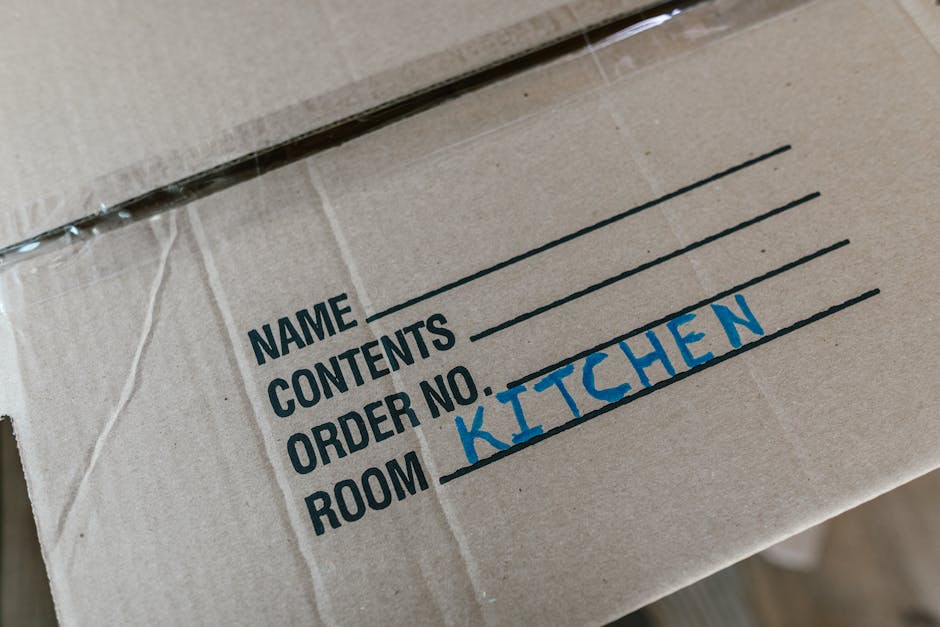
Packing and unpacking services can make a move easier to manage, especially where time is limited or the load contains a mix of breakables, clothing, books and household equipment. Packing is not just about putting items into boxes; it is about choosing suitable carton sizes, separating fragile pieces, and labelling in a way that keeps the move organised at the other end. That approach can reduce confusion when the van is unloaded and rooms need to be set up efficiently.
We can also support customers who only want partial packing help, such as glassware, kitchen items or a few difficult rooms. This can work well alongside van transport because the packing method and the vehicle loading method should complement one another. Boxes that are filled sensibly and closed properly are easier to stack securely. If you are comparing options for a fuller move, read about packing and unpacking services and decide how much support is actually needed.
Two simple pieces of information usually make preparation easier: which items need special handling, and whether access at either end has limits such as narrow stairs, time restrictions or a long carry. Those details are practical rather than decorative. They help with scheduling, vehicle choice and the order in which the work is done. If you want to move ahead, ask for a quotation once the main items and addresses are clear, then any packing tasks can be planned around the same visit.
Office removals and business transport

Office removals require a slightly different mindset from domestic moves because the job is often shaped by desks, chairs, files, screens and compact equipment rather than soft furnishings. A van-based service can be a good fit when a business needs to relocate a small office, move furniture between sites or clear selected items from a workspace. The objective is to keep the transfer organised so operational disruption is reduced as far as the job allows.
Business customers usually benefit from a move plan that identifies priority items, what can be dismantled, and which pieces need special handling or protection. That may include monitoring equipment, IT peripherals, filing cabinets and meeting room furniture. A practical van move can be especially useful where access is tight or the load is limited enough that a full removal truck would be excessive. For a broader view of commercial work, explore office relocation services and see whether they match the scale of your move.
Good commercial transport also depends on sensible communication. A short list of the main items, floor level, parking situation and preferred timing helps the move stay efficient. If an office is being downsized, it may make sense to separate relocation tasks from disposal or storage decisions, rather than treating everything as one mixed job. The more clearly the load is described, the easier it becomes to set out a fair scope for the work and keep the move under control.
Commercial moves and flexible transport options

Commercial moves can range from a few chairs and archive boxes to the contents of a compact workplace. The advantage of a man with van arrangement is its flexibility: it can suit a one-off delivery, an internal office shift, or a local relocation where only selected items need transporting. That flexibility is often valuable for small businesses, trades, landlords and community organisations that need a manageable moving solution rather than a large-scale removals operation.
Within that scope, our transport work may include loading mixed office contents, protecting awkward items and unloading in a sequence that supports the receiving space. It is common for commercial jobs to require more coordination than a simple household collection, because equipment and records can be more sensitive to movement and handling. If you are comparing commercial moving support, read about commercial moves and review whether the service level suits the items involved.
When planning a business move, it often helps to identify what must travel together and what can move in stages. That can make the job easier to fit around trading hours, staff availability or access limits. A compact van move is rarely about empty space alone; it is about organising the load so that items arrive in the right condition and the right order. Use a brief description of the job, then request a quotation if you want the move costed against the actual scope.
About Downe
Downe is a village in the London Borough of Bromley, positioned in the south-eastern edge of Greater London and closely associated with the North Downs landscape. Its name is linked with the older spelling of the area, and the settlement has long retained a rural character despite being within the metropolitan boundary. The village is known for its scattered lanes, low-rise buildings and a historic core that contrasts with the denser suburbs found elsewhere in Bromley. One of its most prominent cultural associations is with Charles Darwin, whose home at Down House lies nearby and remains a major landmark connected to the history of science. The surrounding countryside includes open fields, woodland and downland paths, giving the area a strongly green setting unusual for London. Downe is also near the routes that connect to Orpington and other nearby communities, yet it retains a distinct identity built around a small village centre, local pubs, church life and access to walking country. The landscape around the village forms part of the wider North Downs Area of Outstanding Natural Beauty, with chalk grassland and gentle slopes that shape the scenery. St Mary the Virgin church, the village green and the local conservation character all contribute to the sense of place. In architectural terms, the settlement combines older cottages, cottages converted for modern use and buildings that reflect a long-standing rural settlement pattern rather than a planned urban estate. The result is a locality with historic depth, landscape value and a quieter atmosphere than many parts of outer London.
Removal services for different load sizes
Removal services are not one-size-fits-all. Some customers only need help moving a few bulky pieces, while others want a van and driver for a more complete home or office load. Our work can be adapted to the volume, the access and the kind of items being transported. That means the service can stay focused on the move itself rather than adding unnecessary complexity. For a clearer overview of the wider range, look at removal services and match the job to the right level of support.
One important decision is whether the job is best described as a removals task, a collection, or a mixed transport job. The label matters because it affects how the load is approached. A removal generally involves handling multiple items in a planned way, while a collection may focus on one or two larger pieces. In either case, the same principles apply: protect the items, manage access and keep the route workable. Where the need is broader, read about removals to see how that terminology fits the service.
Useful information for a quote can be kept simple: main items, pickup and delivery points, any access concerns, and whether dismantling is needed. That is usually enough to decide whether the job is straightforward or whether extra time and care are likely to be required. The aim is not to overcomplicate the enquiry, but to make sure the vehicle and the handling are suitable for the move.
Vehicle choice, access and load planning
The vehicle itself is only one part of the moving decision. A van move works best when the load is matched to the available space and the access at each property. Narrow streets, limited parking or shared entrances may influence how the work is timed and where the vehicle can be positioned. Planning these details early helps avoid surprises on the day and keeps the move efficient. If you want to understand the transport side more clearly, see moving van options and consider whether they suit the volume involved.
Load planning also matters for safety. A van should be packed so that heavy items are secure and lighter items are not crushed. Items with unusual shapes may need to be set aside or loaded last. Some jobs benefit from a simple sequence: larger pieces first, boxes next, fragile items secured where they are least exposed. That logic is basic, but it makes a real difference to the condition of the load when it arrives.
As a customer, the most useful input is usually concise rather than lengthy. A list of key items, a note about stairs or lifts, and any timing limits can be enough to shape the job correctly. If the move is still being planned, keep it practical and specific; that is often the quickest route to an accurate assessment. Get in touch when you have the core details to hand and want to move the conversation forward.
Household support, prices and practical choices
Household transport often involves a mixture of emotional and practical decisions, but the moving method should stay grounded in the actual work required. Our service is centred on the transport and handling of goods, whether that means a few essential pieces or a fuller home load. Some customers want help with storage runs or delivering items after a purchase; others need a moving solution that sits between a courier and a full house removal. A van-based approach can suit those middle-ground jobs well.
Price is usually influenced by the size of the load, the complexity of access, the distance travelled and any extra handling involved. Jobs that require dismantling, longer carries or careful loading of delicate items may take more time than simple point-to-point transport. Because of that, a realistic description of the work is more useful than a vague estimate based on assumptions. If you want to compare the options in more detail, check pricing and quotes and see how the scope is described.
If you are deciding between services, think first about the main outcome you need. Do you want a few large items moved, a local household load shifted, or business furniture transported with minimal disruption? Once that is clear, it becomes easier to choose the right level of support. For the final step, a short enquiry with the main items and addresses is usually enough to begin requesting a quotation.